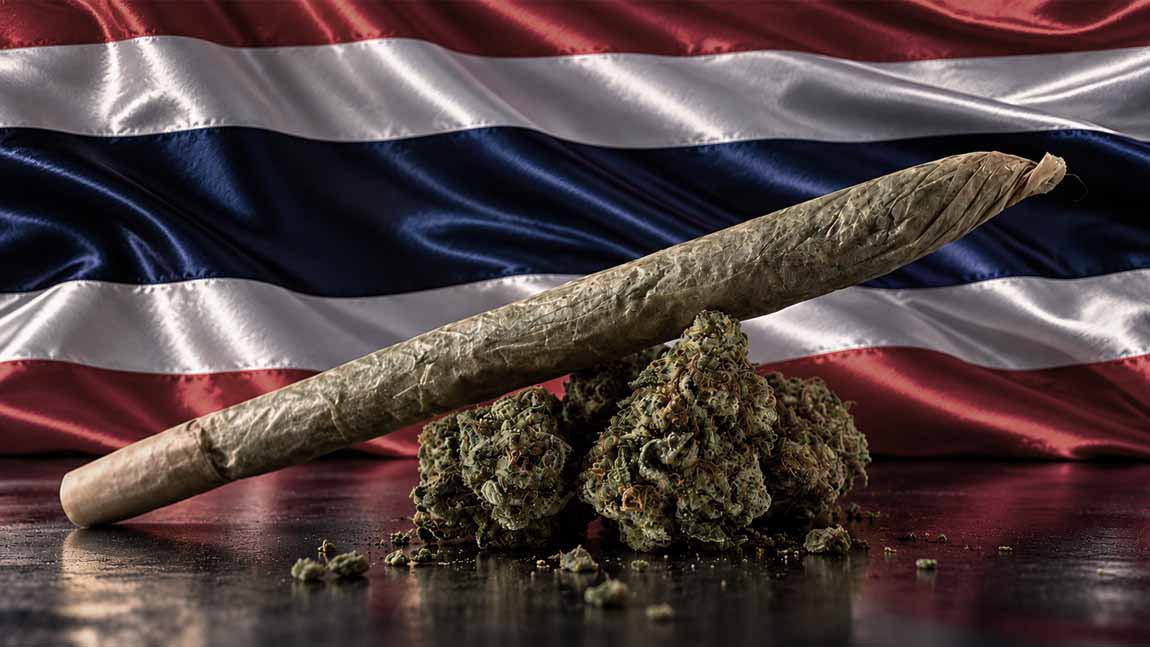
Imagine opening a shop, paying for a fancy interior, buying stock, hiring staff and finally thinking you've built yourself a decent little business. Then the government decides the whole thing needs to work differently. Welcome to Thailand, where cannabis has been on quite a journey. On June 9, 2022, the country removed cannabis from its list of prohibited narcotics. Weed shops soon appeared everywhere, from Bangkok to the tourist beaches. Recreational use was never fully legal, but a walk down some of those shopping streets certainly suggested otherwise. The government had opened a door without making it particularly clear what people were allowed to do on the other side.
Three years later, the brakes went on. Since June 2025, cannabis flower sales have been restricted to medical purposes, requiring a valid prescription. In July 2026, Thai authorities once again made it clear that recreational sales weren't freely permitted. For tourists, that's quite a change. The shops might still be there, but you can't simply walk in and buy a bag of weed because you're on holiday. The rules apply to foreigners too. So there you are, wearing your flip-flops and sunglasses, ready to enjoy your trip. Same streets, same plants, completely different set of rules.
For business owners, it's a lot less funny. Plenty of people saw a growing market and decided to put serious money into it. Shops were renovated, leases signed and staff hired. Nobody can predict every political decision, of course, but shouldn't a government make the rules clear before people pour their life savings into a business? Thailand says the tighter controls are meant to prevent misuse and bring cannabis back into the medical system. That's a position worth understanding. Unfortunately, rent doesn't disappear just because a minister changes direction. Neither do wages, loans or the money already spent getting a shop off the ground. So what happens to all those businesses that grew under the previous approach?
Canada offers an interesting contrast. Recreational cannabis has been legal for adults nationwide since 2018, with rules covering production, possession and sales. There's still plenty of debate about how the market should operate, but the basic legal framework is clearer. Thailand took a different route: remove cannabis from the narcotics list, watch an entire retail industry emerge, then tighten access again. Maybe the bigger question isn't whether everyone should be able to buy weed wherever they like. It's how much faith people can put in rules that change so dramatically. You don't open a shop for a couple of weeks. And building an industry is difficult when the door that welcomed everyone yesterday might be locked tomorrow.