Say “Moroccan hash” to someone who visited Dutch coffeeshops back in the day, and one name is likely to come up: Ketama. Some remember it with a grin. Others still use it as a benchmark. The name isn't a marketing invention, though. Ketama is a place up in the Rif Mountains of northern Morocco. People there were smoking kif long before the first Dutch coffeeshops opened. They'd often mix it with tobacco and smoke it through a sebsi, the long pipe you still see in old photographs. The pressed hash that later travelled across Europe was another chapter. Same region. Different era.
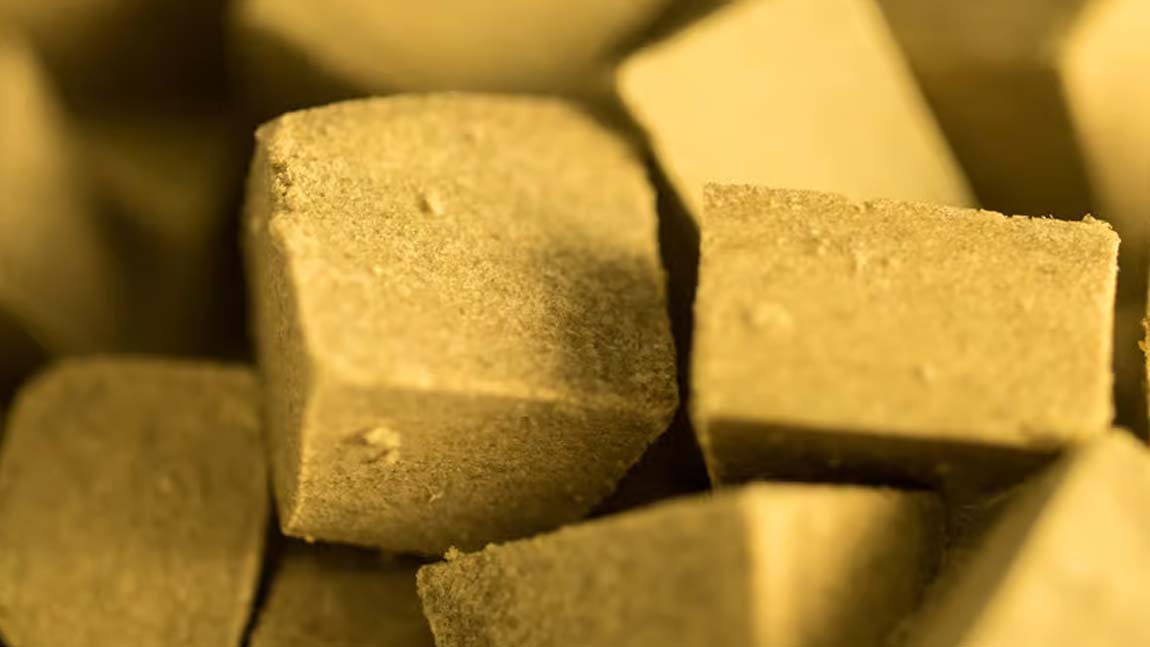
That chapter really took off in the 1960s and 70s. Travellers from Europe arrived, demand grew, and growers in the Rif began supplying a much bigger market. Making sifted resin into hash became increasingly important, although historians don't agree on exactly how that technique first took hold there. By the time Dutch coffeeshops started listing names like Ketama Gold and Double Zero, Moroccan hash had earned a place on European menus. Connections between Morocco and the Netherlands helped it travel. In the 1980s, Moroccan hash became an even more familiar sight in Europe. Wars in Afghanistan and Lebanon had made hash from those countries harder to come by. Good Moroccan hash had a reputation. Of course, a Moroccan name on the wrapper was never a guarantee that what was inside would be good.
Then there's the music. Mick Jagger, Keith Richards and Brian Jones visited Morocco in 1967, spending time in Tangier and Marrakech. Brian came back a year later to record the Master Musicians of Joujouka. Those recordings finally came out in 1971, on the Rolling Stones' label. Jimi Hendrix also spent time in Morocco, visiting Essaouira in the summer of 1969. His short stay inspired enough stories to last decades. Walk around town and you'll still see his name attached to cafés. One famous tale doesn't add up, though: he couldn't have written “Castles Made of Sand” about Essaouira after that visit. The song was released in 1967. And there's no solid evidence that Hendrix or the Stones went there specifically for Ketama hash. They were part of a wider wave drawn by Morocco's music, people and atmosphere.
Those stories eventually got tangled together. Old kif traditions in the Rif. Hash travelling to Europe. Rock musicians passing through Tangier and Essaouira. Later, names like Ketama appearing on coffeeshop boards in Amsterdam. It's easy to see why the country became part of cannabis folklore. The scene has changed, of course. New strains, new methods, different kinds of hash. But say “Ketama” to someone who knows their old-school Moroccan, and they'll know exactly what you're talking about. Some names outlive the trend. This one helped define it.