
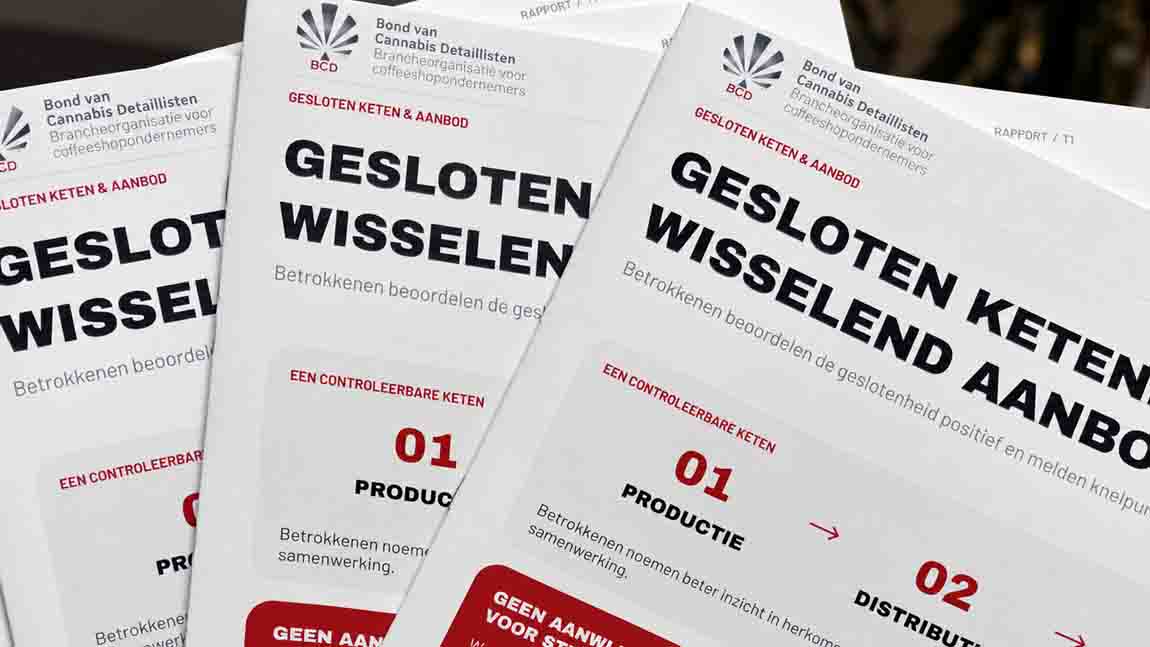
Picture running a coffeeshop where you can order your cannabis from licensed growers, know exactly where it came from and leave the old illegal supply chain behind. Sounds pretty reasonable, right? Well, that's everyday business for shops taking part in the Dutch cannabis experiment. The Bond van Cannabis Detaillisten, which represents coffeeshop operators, recently sat down with shop owners and municipalities to discuss the first research findings. On November 2, the organisation published its formal response. And the mood? Surprisingly positive, actually. Shop owners say the quality has become more consistent, there's more variety on the shelves, and even customers who weren't impressed with the hash selection are starting to give it another chance. So far, so good. Except there's a catch. And it's a pretty big one.
Running a regulated cannabis business doesn't come cheap. You've got staff to pay, equipment to maintain, suppliers to deal with and stock to keep track of. That's money going out every single day. But would you keep pouring cash into a business if nobody could tell you what the rules will look like a few years from now? That's the situation these coffeeshop owners are facing. According to the Coffeeshopbond, winding down the experiment remains the default plan, with a decision about continuing it potentially coming just four months before it ends. Try making long-term investments with that hanging over your head. And that's before we get into the everyday headaches. Some shops are spending far too much time dealing with the digital tracking system. Certain hash products still don't match what customers want to pay or smoke. Lower selling prices are squeezing margins, too. A bigger menu is lovely, but somebody still has to pay the bills.
The first WODC follow-up study, published in September, found that the regulated cannabis market was offering a wider selection of products. As for major changes in cannabis use, public health or safety? The researchers couldn't establish those yet. The Coffeeshopbond isn't asking anyone to declare victory. What it wants is a clear roadmap, something businesses can actually plan around. The organisation is also frustrated that, according to its response, the government hasn't established concrete criteria for success, despite earlier discussions about doing so. And here's where things get a little ridiculous. After decades of dealing with that famous Dutch back-door problem, these businesses finally have a regulated supply chain. Yet they're still unable to make proper plans for the future. Imagine the experiment turns out to be a success, only for everyone to pack up, pull the whole thing apart and start again later. That would be one expensive way to learn a lesson.